Haiti is in the midst of a humanitarian crisis amid conflict between armed groups and the government and its allies. Beyond the capital, Port-au-Prince, the towns and rural communities of the lower Artibonite region are among the hardest hit.
Since 2023, violence has displaced more than 158,000 people in the Artibonite region and severely impacted the healthcare system. Starting in June 2026, Doctors Without Borders/Médecins Sans Frontières (MSF) has been expanding its activities, focusing on support public health facilities and making medical services more accessible.
A region in turmoil since 2023
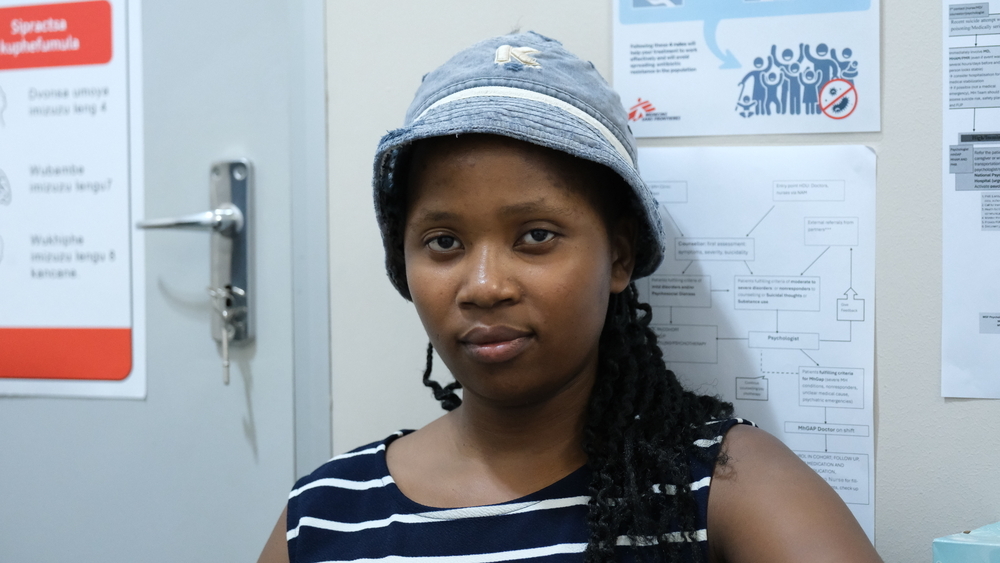
Many people displaced by violence are now sheltering in other households. Julienne, a woman who fled with her children to the city of Saint-Marc, describes how they were attacked. “Armed men burned down my house and drove us out,” she says. “We left everything behind, everything we owned.”
Access to healthcare has deteriorated significantly. Areas controlled by armed groups have seen medical staff leave and health facilities close. The system of medical referrals operates irregularly for patients who need specialized care.
In Saint-Marc, the health facilities still operating are overwhelmed and face occasional stockouts of essential medicines.
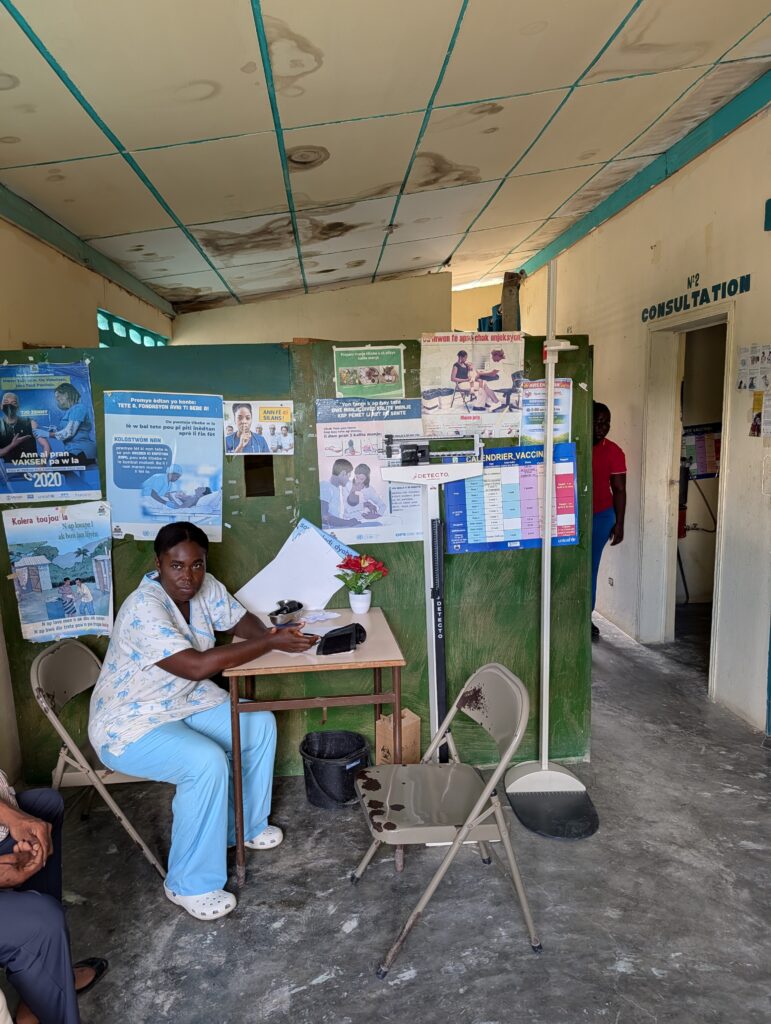
For the most vulnerable families, the cost of care has become a barrier. “Healthcare in the city’s hospitals is so expensive that even when a child is suffering, they may not receive treatment,” says Julienne.
L’Estère: A hospital reopened with limited resources
North of Saint-Marc, the referral hospital in the community of L’Estère was forced to close because of armed clashes in 2024, leaving around 80,000 people without access to healthcare. After several months of relative calm, the Ministry of Public Health and Population (MSPP) was able to reopen it in April 2026, with very limited staff and resources.
Dr. Wesny Norvil, the hospital’s medical director, describes the situation before MSF arrived: “The hospital is supposed to be a referral hospital, but before MSF arrived, we were operating like a health center: we were short of staff, equipment and logistical resources.”
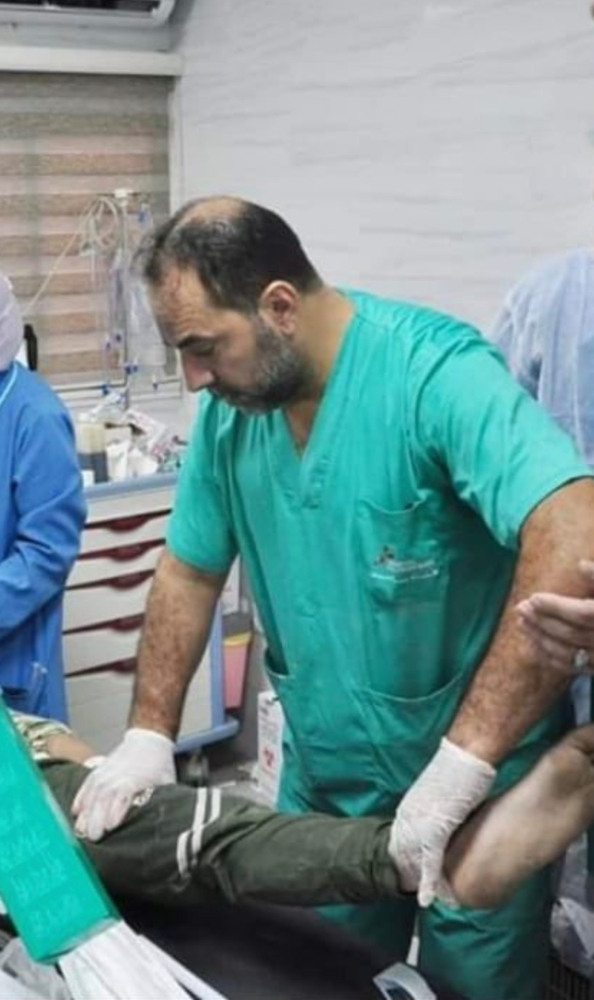
Since August, MSF teams have been helping the hospital provide emergency care, deliveries and consultations, and transfer patients whose conditions are too severe to manage locally to a better-equipped facility. MSF provides additional staff and medicines, as well as logistical, technical and financial support. This strengthens the hospital’s services and enables it to provide care free of charge.
Patients with emergency medical needs, often due to motorcycle accidents, are now better managed.
“MSF is here supporting us, and that has changed everything,” Dr. Norvil says. “We receive emergency cases, and for those we cannot manage, thanks to MSF, we have an ambulance and a referral system. We stabilize patients whose conditions are too severe for us to treat and send them to a hospital in Saint-Marc that is better equipped to meet their needs.”
In September and October, the number of patients has doubled from what it was in August, particularly for emergency care, antenatal consultations, deliveries and outpatient consultations.
Three clinics in Saint-Marc
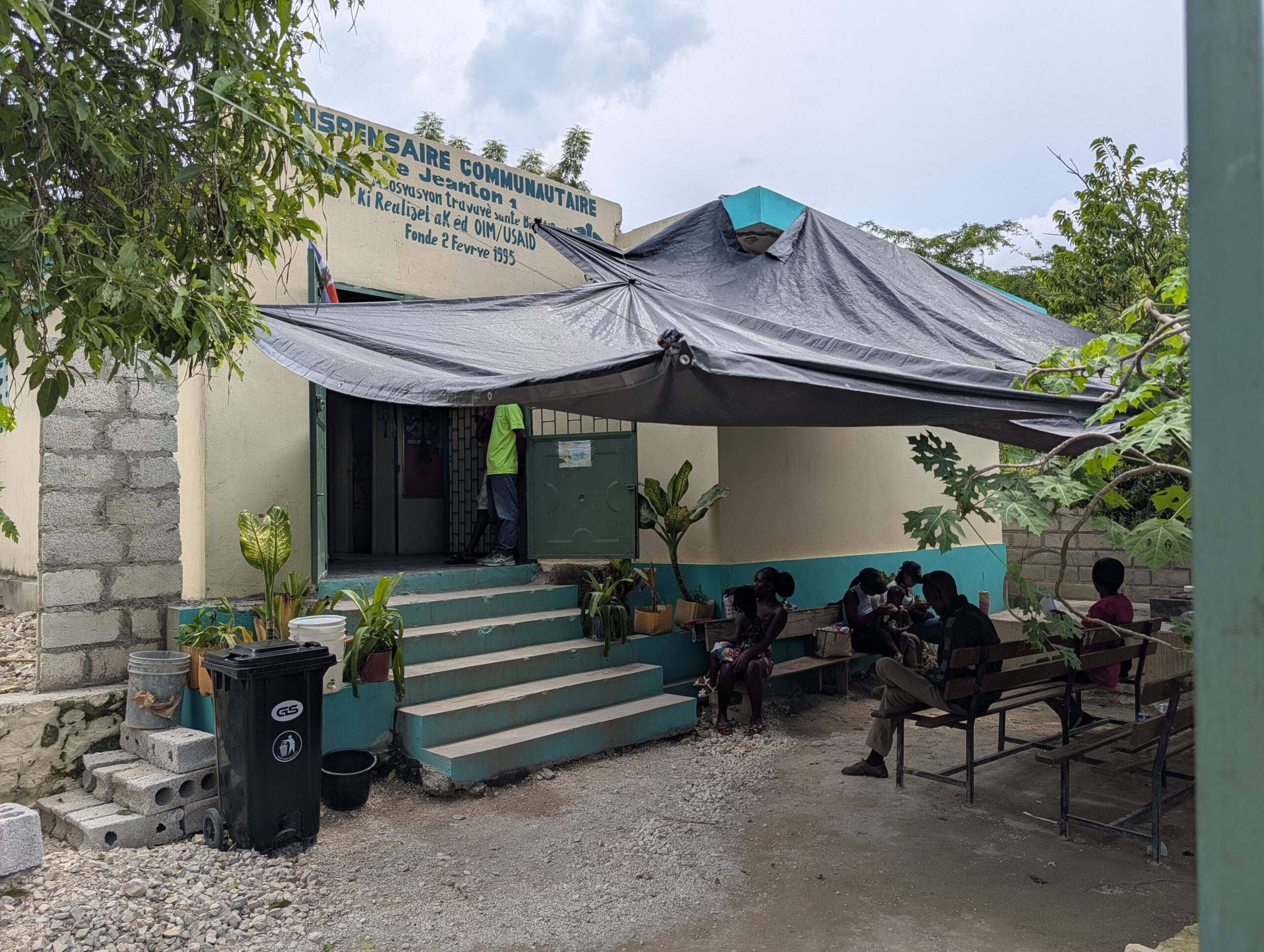
Since October 2026, MSF has also been supporting three public clinics run by the MSPP in Saint-Marc, in the communities of Charrette, Jeanton and Saint-Laurent de Barbe, serving an area with about 500,000 people, including many who are displaced. MSF supports outpatient consultations, maternal and reproductive healthcare, mental healthcare, patient stabilization and referrals, nutrition services, and care for survivors of sexual violence.
“Our work in the lower Artibonite focuses on supporting existing health services where there are opportunities to expand access to care,” explains Gisa Kohler, MSF’s head of mission. “Facilities supported by MSF provide care free of charge, based solely on patients’ medical needs.”
MSF has worked in Haiti for 35 years and currently has programs in the Port-au-Prince metropolitan area and the South and Center departments, as well as the Artibonite. MSF previously responded to cholera outbreaks in the Artibonite region and provided care to survivors of sexual violence. MSF continues to assess medical and humanitarian needs in the Artibonite amid ongoing instability.