In May 2014, Kule Refugee Camp was established in Ethiopia’s Gambella Region following the initial influx of South Sudanese refugees in late 2013. For those refugees that fled from violence, it remains home even a decade later.
Many of the children were born inside the camp, in shelters built in the traditional style of their homeland. For some, it is the only world they have ever known and for others, a bittersweet reminder of the life their parents left behind.
From a young age, refugee children shoulder heavy burdens while still trying to hold on to their childhood.
Despite the hardships, they still find ways to play, laugh, and steal small moments of joy, creatively turning bottle caps, plastic containers, old tins, and scraps of cloth into their own play-toys.
Drastic cuts in international funding have taken away the basic support they used to get. Shortages of food, water, sanitation, and access to education have pushed an already vulnerable community to the brink.
Since 2014, MSF has been a lifeline providing primary and secondary healthcare in the camp. Thousands of children have been born in MSF’s maternity ward. Thousands rely entirely on MSF for their medical needs.

Kids in the Camp create play toys from discarded plastic caps and containers. ©Roza Bekele/MSF
Nyabhan Gatluak
Nyabhan is a 7-year-old girl born in an MSF facility at Kule Refugee Camp. She is the oldest in her family of four kids. Nyabhan is a second-grade student.
Born and raised in the camp, Nyabhan represents a generation of children who have known only refugee life. Despite the challenges around her, her joyful smile shines through, showing the strength and resilience of children growing up in the settlement.
Nyabhan’s mother, Nyakume arrived in Kule Refugee Camp in 2014 with her family, fleeing violence in South Sudan. With a shrinking humanitarian landscape, Nyakume is struggling to raise her children. “If we don’t get food rations, I have to find other ways” she explains. She collects and sells firewood to buy basics like shoes, extra food, and clothes.
Aid cuts reduced food rations to below 60% of what was being given to families in the camp before mid-2025. Distributions are frequently interrupted for months due to funding shortages and supply chain issues.
As the oldest child, Nyabhan started taking on major responsibilities from an early age. She spends most of her day helping her mother do housework.
She carries the weight of growing up in a place where basic needs are often hard to meet.
She takes care of her younger siblings, grinds grain, walks long distances to collect scarce firewood, fetches water, cooks, and does other tasks. All this while attending school – when it is available.

Nyabhan with her mother. ©Roza Bekele/MSF
Kan Doul
Kan, a 19-year-old South Sudanese refugee living in Kule Refugee Camp. Born in South Sudan he fled violence in his homeland in 2014 at the age of 7 with his uncle and relatives after losing his father. Years after arriving in Kule, he reunited with his mother in the camp.

Kan goes to school but the school in the camp isn’t always open. On the day we accompanied him to his school, there were no teachers and he had to go back home. This has become increasingly common after funding cuts severely disrupted the education system in the camp, threatening Kan’s dream of becoming a doctor.
Kan tries to balance the irregular school and family responsibilities, supported by his elder brothers. He used to have a small shop to bring some income home.
Football is one of his favorite ways to stay active and connect with his friends, release stress, and create moments of happiness amid daily hardships.
With limited livelihood options, refugee populations are dependent on humanitarian aid.
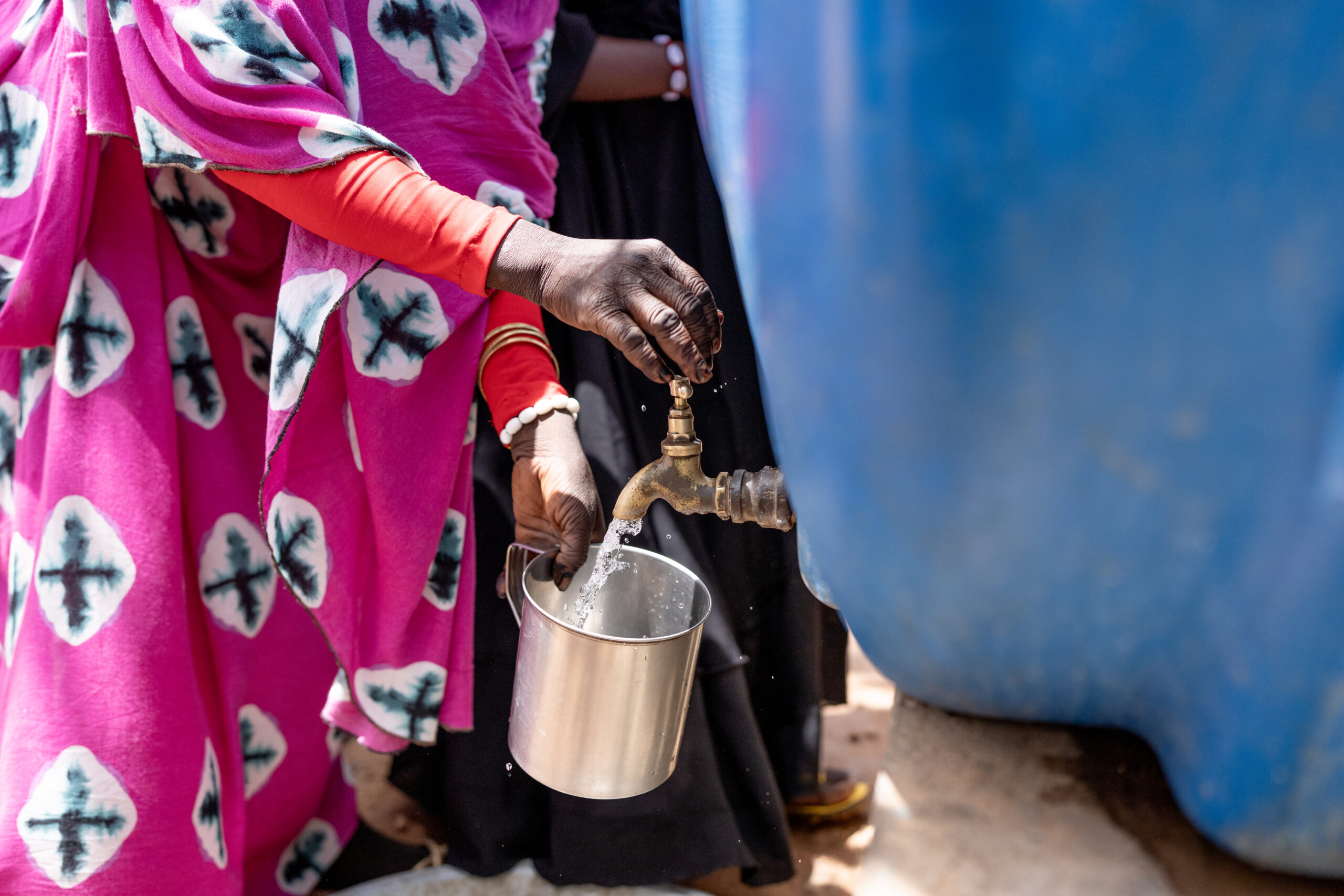
“NGOs provide far less support than before. Food rations have been reduced. Families struggle to buy the needed clothes and shoes for their kids. Many people drink unsafe water, with women and girls traveling long distances to fetch it” Kan explains.

Kan playing football. ©Roza Bekele/MSF