In the sprawling, overcrowded refugee camps of Cox’s Bazar, Bangladesh, a crisis far from the headlines is taking a severe toll on the youngest generation of Rohingya refugees. Children are arriving at medical facilities later, sicker, and with complex, overlapping physical and psychological health needs.
Nine years after fleeing extreme violence in Myanmar, children make up more than half of the 1.3 million refugees living in conditions of indefinite containment. In these camps, where international funding shrinks and is volatile, families struggle to secure basic food, healthcare, and education, placing children’s daily survival at constant risk.
Beyond physical hardship, children and their families carry the heavy psychological weight of a life in limbo, trapped by political dynamics that fail to deliver meaningful solutions or ensure long-term safety and dignity. At Kutupalong Hospital-MSF’s largest hospital and main referral hub for people in the camps -medical teams are witnessing the largely overlooked impact of this crisis. What was once a hospital treating routine, seasonal illnesses have turned into an emergency facility managing children arriving in life-threatening conditions.
As primary health posts scale back due to drastic international funding cuts, secondary referral facilities like Kutupalong Hospital are left absorbing critical needs far beyond their original design. Today, severe physical disease, chronic malnutrition, and acute mental health distress are colliding, making children sicker and much harder to save.
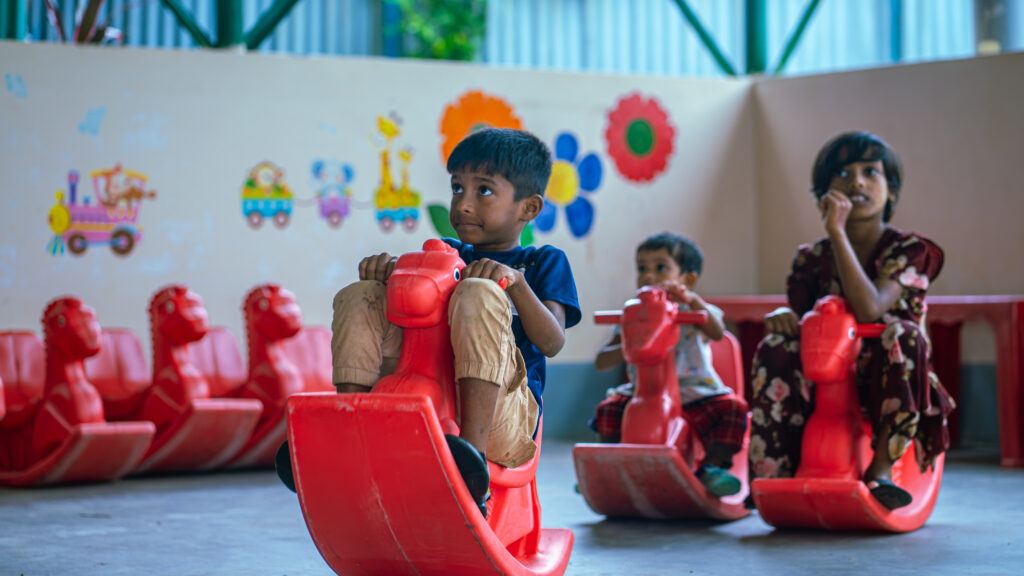
Children admitted multiple times to Paediatrics
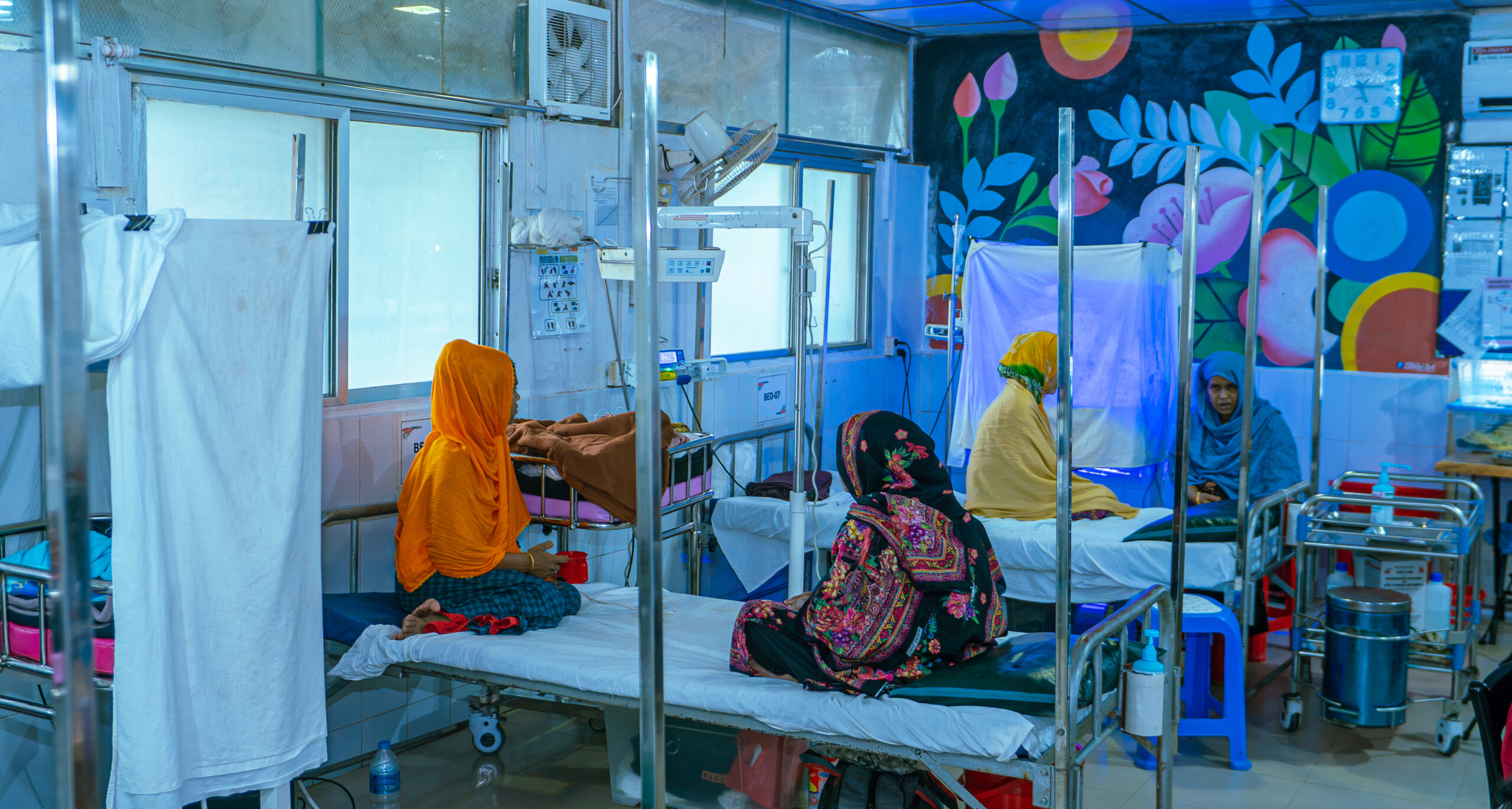
Inside the paediatric ward of Kutupalong Hospital, 25-year-old Yasmida sits at a hospital bed, holding her one-and-a-half-year-old daughter, Halima Sadia. Halima’s small body is fragile, weighed down by severe malnutrition, fever, and persistent infections that have left her too weak to sit or stand on her own. Yasmida fled Myanmar in 2017, surviving a treacherous 15-day journey across mountains and rivers to reach Bangladesh. Today, living in the camp with a family of seven, her daily reality is consumed by her child’s relentless cycles of illness—sometimes resulting in multiple hospital admissions in a single month.
“My baby has been very sick for many days now. Since her birth, we have frequented various hospitals and health facilities inside the camps around 10 to 12 times, and she was admitted to the MSF hospital four times,” Yasmida shares.
Yasmida’s experience navigating health emergencies in the middle of the night reflects the severe security and logistical barriers families face in the camps. “Stepping out in the camp at night is terrifying because it is very dark, and I feel scared. Once at 2:00 AM, my daughter became extremely ill. As my husband and I set off toward the hospital with our sick baby, after walking a short distance, we came across a group of men. They beat up my husband and looted everything he had. Frightened that night, we returned home in that condition with our daughter and only took her to the doctor the next morning. Because of these things, if the child falls ill at night, we cannot go out, and her health worsens further due to not receiving timely treatment.
This delay in seeking care echoes across the camps. Dr Md. Nadim Shahariyar, Deputy Hospital Director at Kutupalong Hospital, observes that Yasmida and Halima’s story is part of a broader trend.
“Over the last few years, we have seen significant changes in paediatric admissions to our hospital. One thing we know for sure is that patients are arriving in more critical condition and with multiple illnesses at the same time,” says Dr. Nadim. “Previously, patients usually came in with a single illness and recovered well. Recently, however, children are arriving at our hospital later in the progression of their conditions, often with multiple illnesses and complications. This makes their clinical management much more challenging.”
A tipping point for adolescent wellbeing
Beyond physical illness, a mental health emergency is taking a devastating toll on young people. Chronic stress, severe poverty, lack of educational opportunities, and exposure to family disputes are driving a sharp rise in adolescent distress. Thirteen-year-old Beauty and fourteen-year-old Jasmine both reached a breaking point inside their overcrowded shelters, leading to suicide attempts before receiving psychiatric care and counseling at MSF’s Shantikhana, a mental health counselling room and safe space at the facility.
“With the rations we receive, we somehow get by eating just rice and lentils. We cannot eat anything beyond that. Driven by so much suffering and deprivation, I made that decision,” recalls Beauty, who attempted suicide following severe food scarcity and family conflict. “After this incident, I came to Shantikhana. A counselor explained things to me and provided counseling. I now understand that dying is not a solution.”
“Life in the camp is difficult for people our age,” Jasmine explains, sharing how systemic hardship exacerbates tension at home. “The living conditions here are not good. Many people are crammed into small shelters, and families have barely any income, which causes a lot of distress. Overall, life here is barely manageable. If only the environment in the camp were better, perhaps we would feel better. “
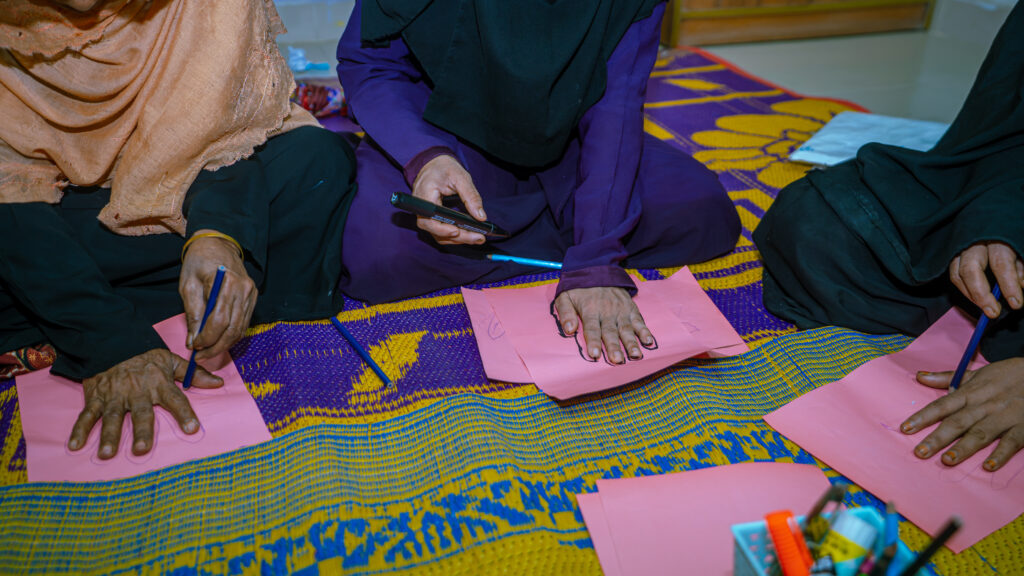
The painful experiences of Beauty and Jasmine reflect stark admission trends recorded at Kutupalong Hospital. Facility-based data between 2023 and 2025 reveals that children under 18 years of age accounted for 27% (160 out of 586) of all recorded suicide attempts, meaning one in every four attempts was a child. Over the same period, 81% of these paediatric suicide attempts were directly attributed to family violence, exacerbated by severe crowding and relentless daily stress. This crisis is growing rapidly, with the proportion of children under 15 seeking MSF mental health support jumping from 9.7% (131 cases) in 2021 to 29.4% (232 cases) in 2025.
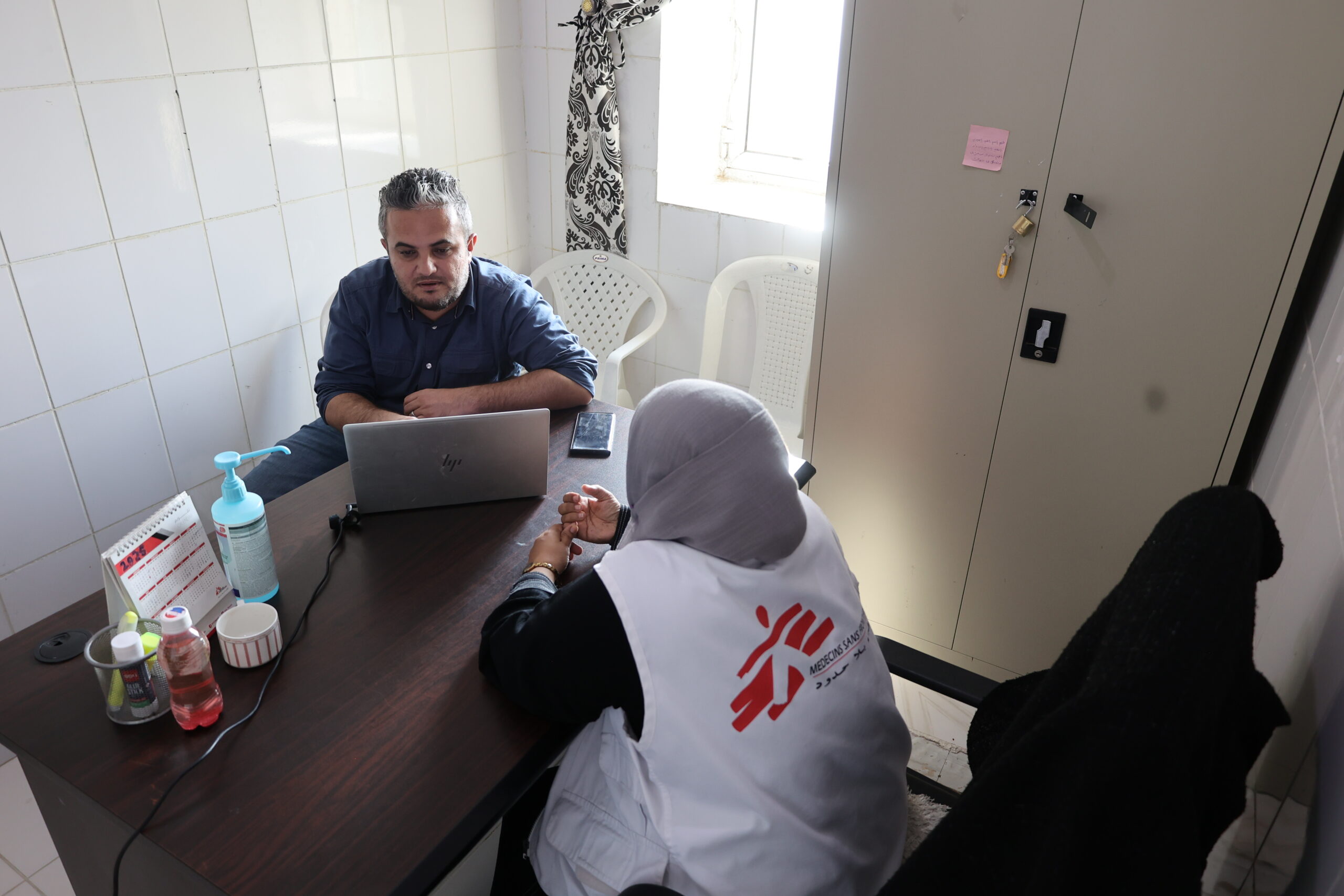
Shariful Islam, MSF’s Mental Health Activity Manager, emphasizes that these acts are clear cries for help in an unviable environment. “We are observing that both the volume of mental health patients and the severity of their conditions have increased significantly compared to five years ago. Our team also observes that suicide attempts are driven by a complex interplay of factors rather than a single isolated cause. The root drivers stem from inadequate humanitarian assistance, lack of freedom of movement, and a pervasive loss of hope after nearly nine years of displacement.”
Beyond emergency response: An urgent call for systemic solutions
The findings from Kutupalong Hospital demonstrate that paediatric illness and rising child mental health distress are not isolated medical issues, but indicators of a broader protection and public health emergency. Reduced funding across the camps has crippled primary healthcare, compromised nutrition programs, and eroded basic living conditions—forcing secondary facilities like Kutupalong Hospital to absorb critical needs far beyond their original design.
A malnourished child with pneumonia, a young person in acute psychological distress, or a patient whose chronic condition is no longer controlled may appear as isolated medical emergencies. But together, they reveal the devastating health consequences of a system steadily contracting around a confined population.
Emergency medical intervention cannot substitute for political responsibility-humanitarian and health actors, alongside international stakeholders, must sustain an adequate humanitarian response, ensuring that basic food, healthcare, and protection are reinforced while a lasting political solution is sought.