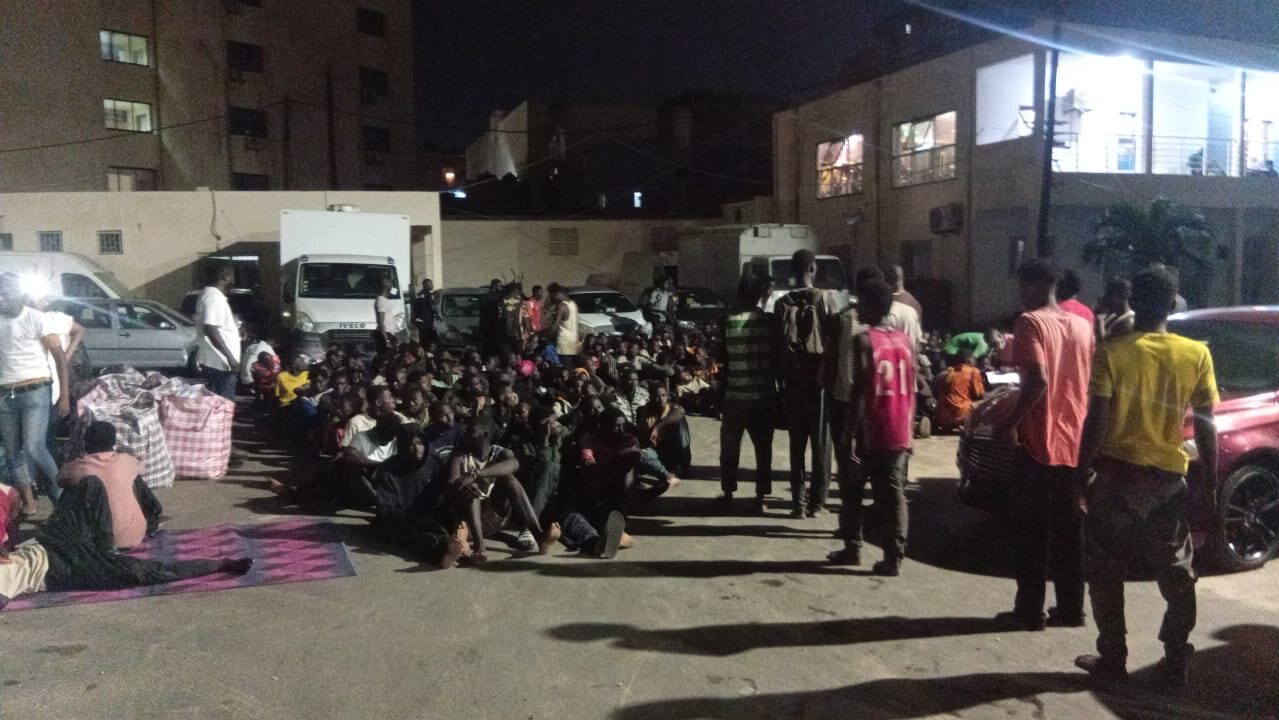
Dakar, September 4, 2026: A total of 1,046 people who survived boat crossings on the Atlantic migration route disembarked in a vulnerable condition last week of August at three West African cities: Nouadhibou in Mauritania, and Rosso and Dakar in Senegal.  

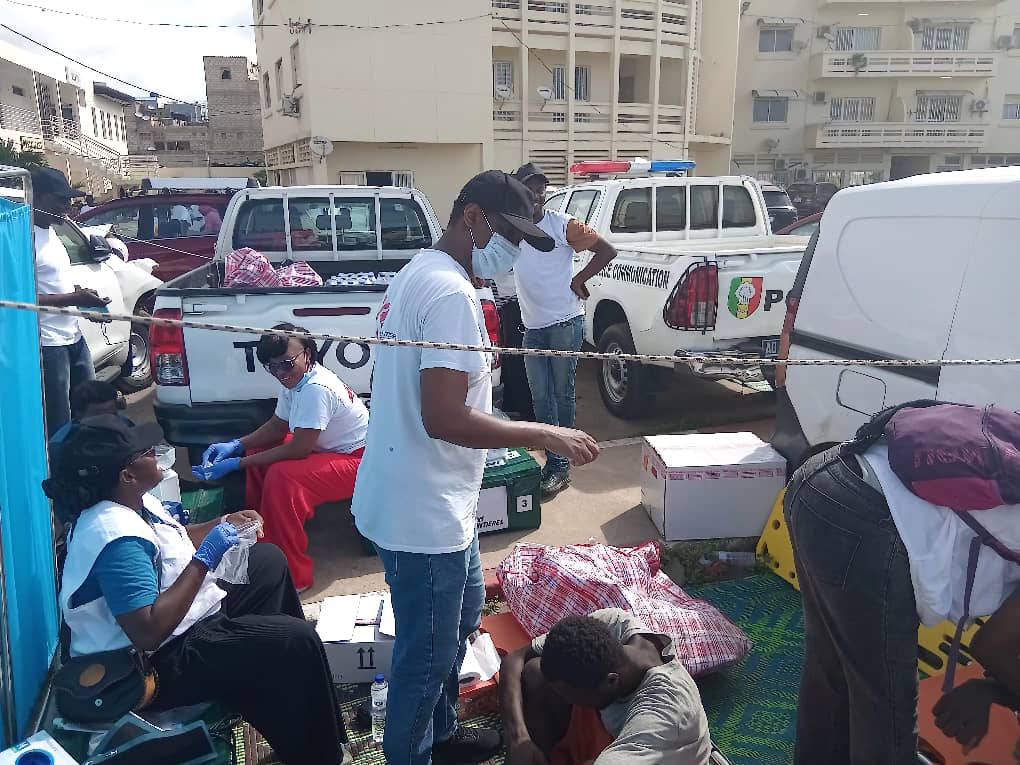
The survivors were onboard seven boats in distress that had departed from The Gambia and were heading for the Canary Islands in the Atlantic Ocean — one of the longest migration routes in the world —  before becoming stranded at sea. They were rescued and brought to shore, where Médicins Sans Frontières/Doctors Without Borders (MSF) medical teams provided them with emergency medical support in collaboration with the Mauritanian Red Crescent in Nouadhibou and with the International Organization for Migration in Rosso and Dakar.

They were suffering medical conditions including extreme dehydration, unconsciousness, bone fractures, extreme fatigue, and skin, gastric and respiratory infections from being stranded for extended periods of time at sea. They included 134 women, including one who is pregnant, and 88 minors in need of protection.  

Most survivors came from Senegal and The Gambia; others came from Mali, Guinea, Ivory Coast, and other countries. Many told our team that they had suffered violence in their country of origin as well as on the migration route. One survivor who disembarked in Dakar told MSF teams that he was beaten by a smuggler and unidentified men to force him to pay more money for the crossing. A female survivor told our team that the smuggler took her crossing payment and then raped her ahead of boarding the boat. 

MSF team provides medical care to distressed migrants in Dakar ©MSF
When people take a 2,000-kilometer route that is currently the deadliest in the world, they must be escaping something worse. People we support frequently tell our teams that they took the route to escape violence and extreme conditions in their country of origin, only to be met with more violence along the way. We call on the governments of West Africa and Europe to prevent this human toll by putting in place safe and legal pathways for people to seek safety, and by creating a migration response that prioritizes human life, dignity and timely assistance.

Dalil Adji
Head of mission for MSF’s migration task force in West Africa

In addition to providing emergency medical support, MSF teams referred severe cases to specialized medical care and provided survivors with water and food, covers, and dignity kits and mental health emergency care.  

MSF teams have been assisting people who disembark from distressed boats on the Atlantic Route since 2024. Since the launch of the project, MSF teams have been bearing witness to the growing human toll of this migration route, and the level of vulnerability among those who take it. Despite the evident dangers, people continue to take this risky route for lack of alternatives.