- Ebola and Marburg haemorrhagic fevers are rare but deadly, spreading fear and panic. Caring for infected patients and affected communities is crucial for a response to be effective.
Outbreaks can kill 25 to 90 per cent of those infected. No cure exists and treatment is currently mainly symptomatic. MSF has intervened in almost all reported outbreaks over the past years.
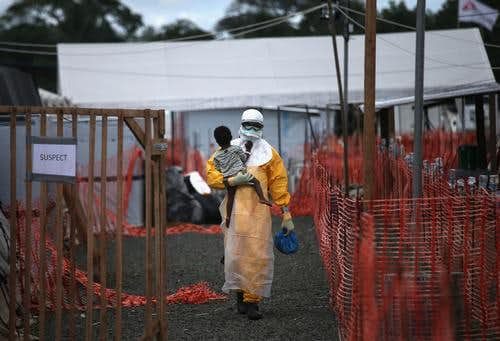
The 2014-2015 Ebola epidemic in West Africa was unprecedented: 67 times the size of the largest previously recorded outbreak, it reached urban areas, and killed more than 11,300 people. Hundreds of health workers died, decimating the already-struggling healthcare systems of Liberia, Guinea and Sierra Leone.
Quick facts
Outbreak response
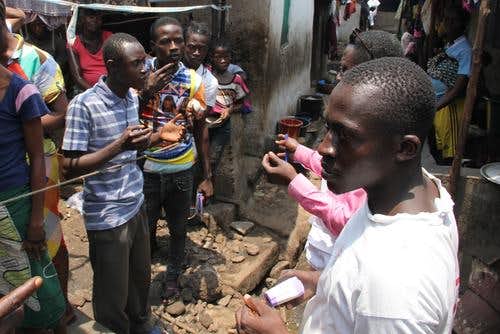
Detection and diagnosis
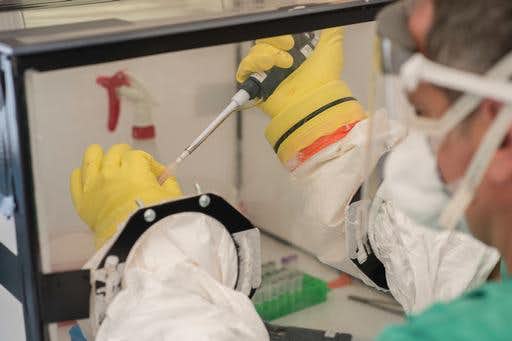
Patient care
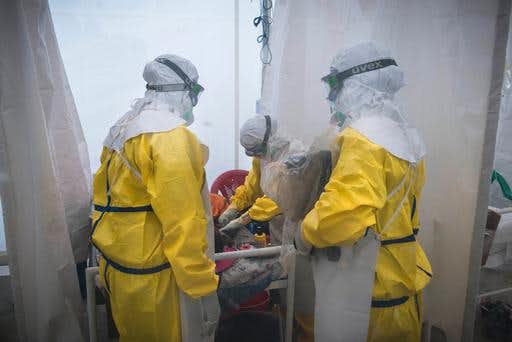
Tackling transmission
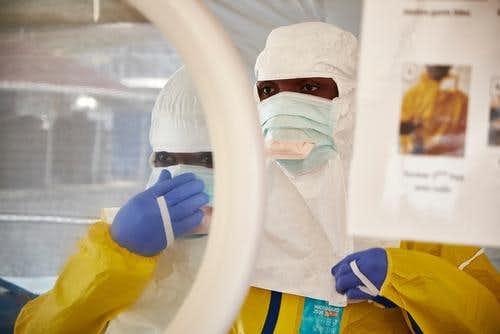
New Ebola vaccine
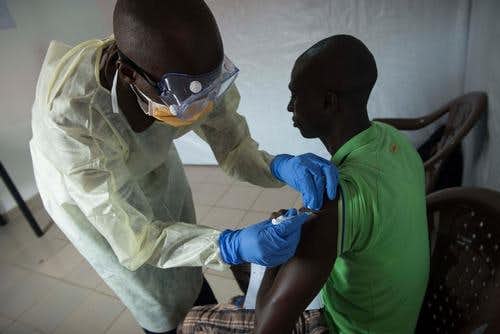
Caring for survivors
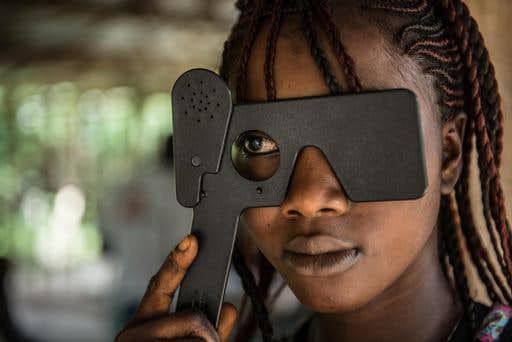
Ebola Survivor Health in Tonkolili, Sierra Leone, Oct 2015
24 year old Ebola survivor Aminata undergoes an eye test with MSF health promoter Joseph during an MSF outreach mission the village of Mabekoh. Koroma survived the disease after being treated by MSF in Kailahun, but four members of her family died.
Survivors often face stigma and are ostracised from their communities. This, and the trauma of having lived through such a deadly disease, often requires counselling. People may experience ongoing physical side-effects, such as joint pain, headaches and eye problems that require treatment and follow up. MSF established Ebola survivor centres in three worst-affected countries after the West Africa epidemic.