Phoebe Zueya Yonkeu recently returned from Mongbwalu, in eastern Democratic Republic of Congo (DRC), where she worked for six weeks as the mental health activity manager at Médecins Sans Frontières’ (MSF’s) Ebola treatment centre (ETC). She reflects on her experience working in what was then the epicentre of the Ebola disease outbreak, and on the essential care that her team provided to patients and their loved ones.

“It starts from the moment people are admitted,” says Phoebe Zueya Yonkeu. “Everyone is worried, and many are afraid when they arrive at the ETC, because they know the possible outcomes of the disease, but also because they may have heard false rumours about the centre and what happens there.” 

Composed of psychologists, community mental health workers and their supervisor, the eight-member mental health team at Mongbwalu ETC supports patients at every stage of their care within the facility.

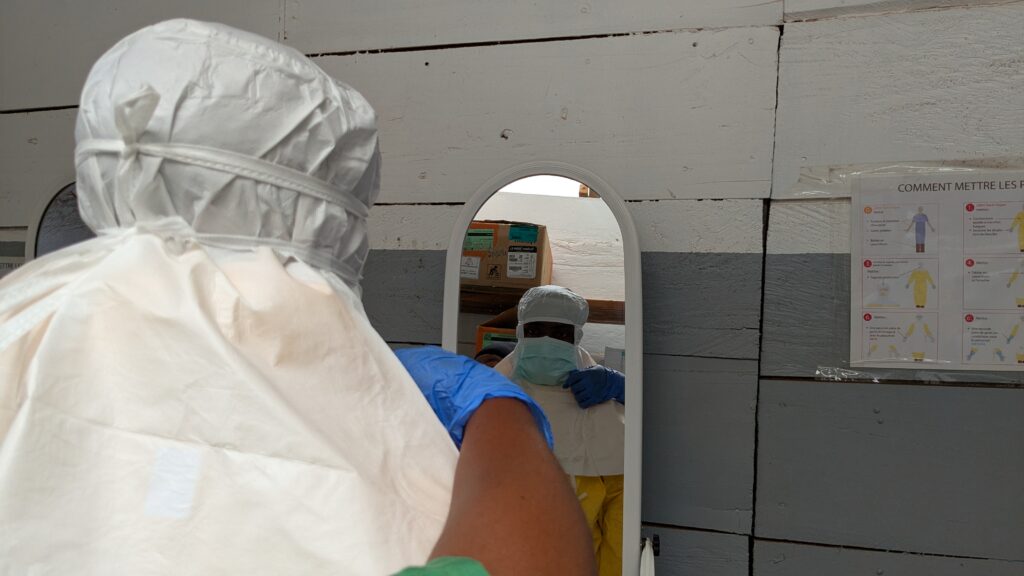
An MSF team member prepares to enter the red zone at the Musienene transit center where suspected or confirmed Ebola patients are being treated. September 2026. ©Augustin Mudiayi/MSF

“We make sure that a health worker is present whenever a new patient is admitted, to take the time to explain to patients and their families what to expect, to reassure them and tell them that we are there to help them,” says Zueya Yonkeu. “Often, this simple exchange is enough to calm them down.” 

The mental health team continues to support patients throughout their stay, which lasts between seven and ten days on average. 

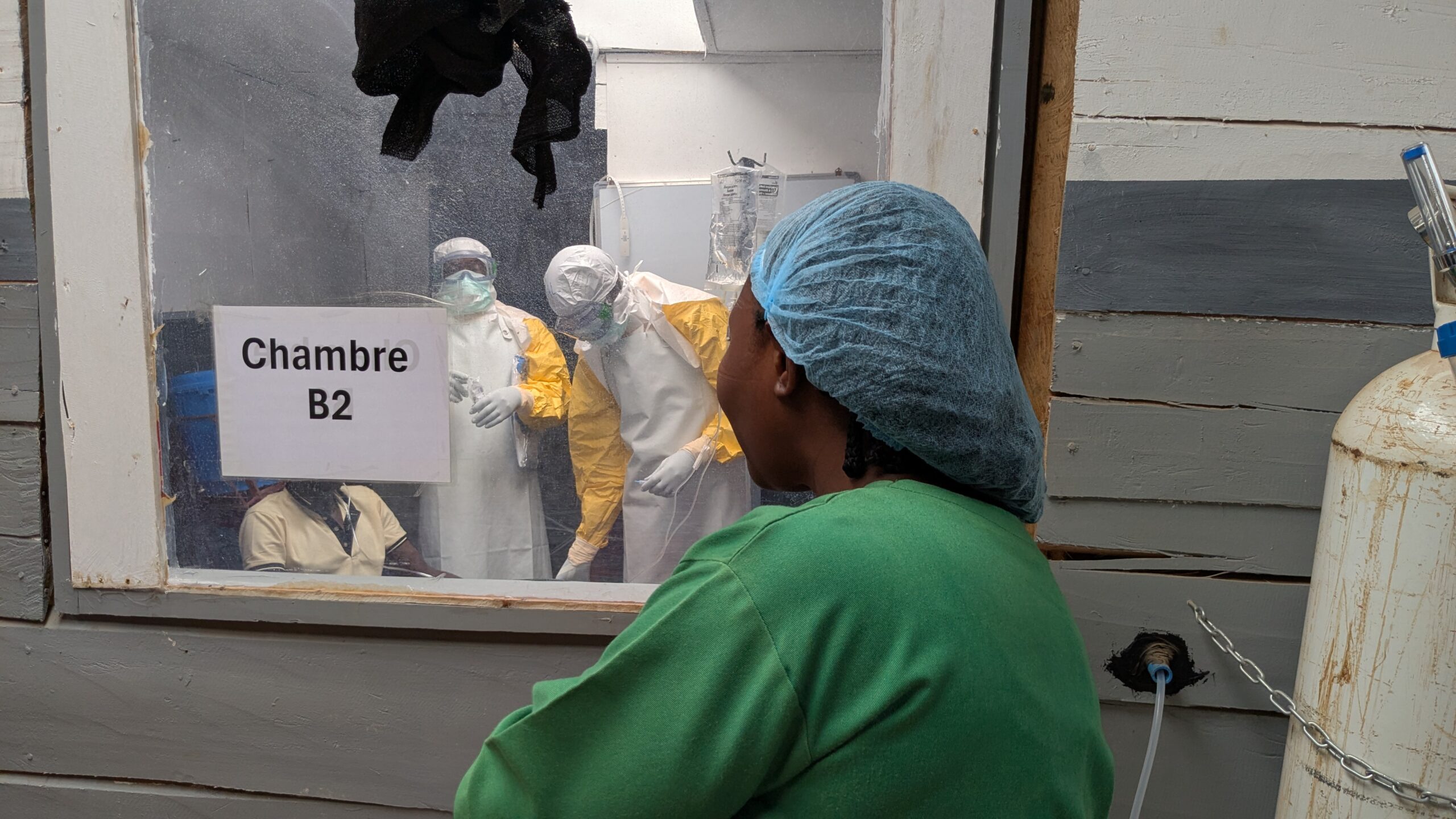
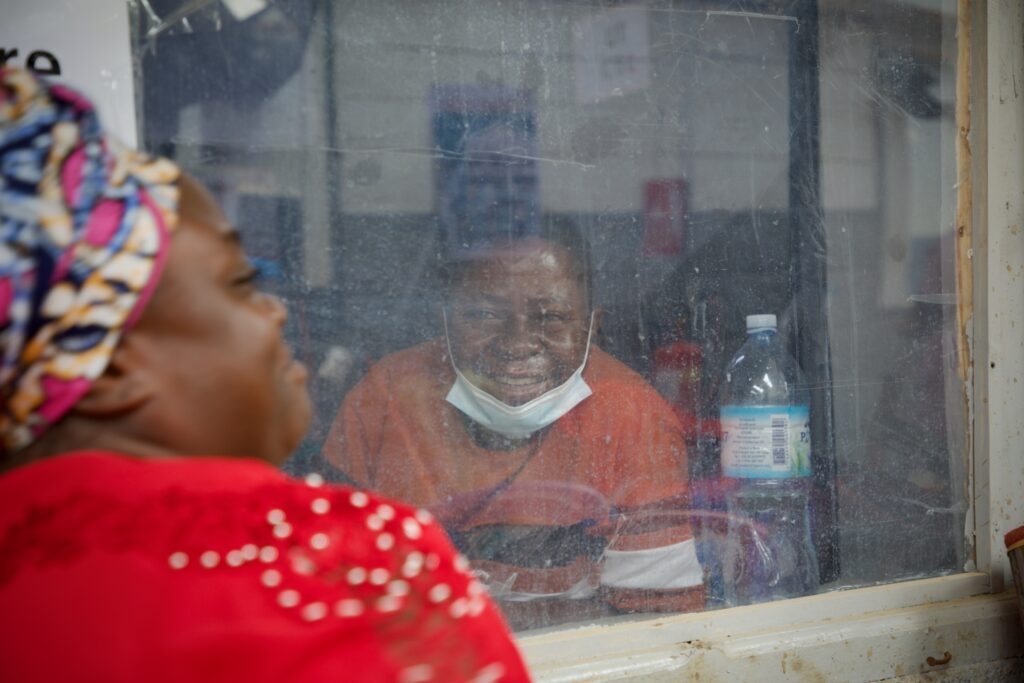
Members of the mental health team are stationed near the high-risk zone. Through specially designed transparent panels fitted into the rooms, they can talk to patients, listen to their concerns and reassure them without exposing themselves. This follow-up also allows them to keep patients’ relatives informed and maintain a vital link between patients and the “outside world”. The aim is to safeguard patients’ wellbeing while maintaining the trust of their communities. 

“We also sometimes put on the personal protective equipment required to enter the high-risk zone inside the ETC, in order to provide confidential psychological consultations to people who need them,” says Zueya Yonkeu.

She stresses that supporting a patient at every stage of their care also means being there for their family and loved ones when, despite the efforts of the medical team, the patient does not recover. 

“When a person’s health deteriorates and we know that, unfortunately, there is nothing more we can do, we are the ones who tell their family. We take the necessary time and try to prepare them for the loss that is to come.” 

The mental health team stands alongside families when the body of their deceased loved one is shown to them for a few minutes, still from the other side of a transparent barrier, before being taken away for safe burial.

“Even though this is the last time the family will see their loved one’s face, there is no other way, because the bodies of people who have died from Ebola are extremely contagious,” continues Zueya Yonkeu. “In a part of the world where people are accustomed to touching and embracing their dead to say goodbye, this can lead to frustration, misunderstanding and even anger. So here too, we make a point of being present to listen, explain, reassure and support them.” 

Patients who recover and leave the ETC receive follow-up care for several more months through the “survivors’ clinic”. There, they receive regular medical check-ups to help prevent potential complications following the disease. They also receive longer-term psychological support. 

“We organise individual consultations as well as group discussions with recovered patients,” explains Zueya Yonkeu. “Many tell us that they experienced stigma when they returned home, that they lost their jobs or were rejected by their communities, who believed they were still contagious. Others feel guilty about loved ones who did not survive the disease and even wonder whether they were the ones who infected them. Unfortunately, this is a feeling they will have to learn to live with, and we try to help them move forward.” 

In addition to patient follow-up, the team also organises group psychoeducation sessions — mental health awareness sessions — for those accompanying patients in the ETCs.
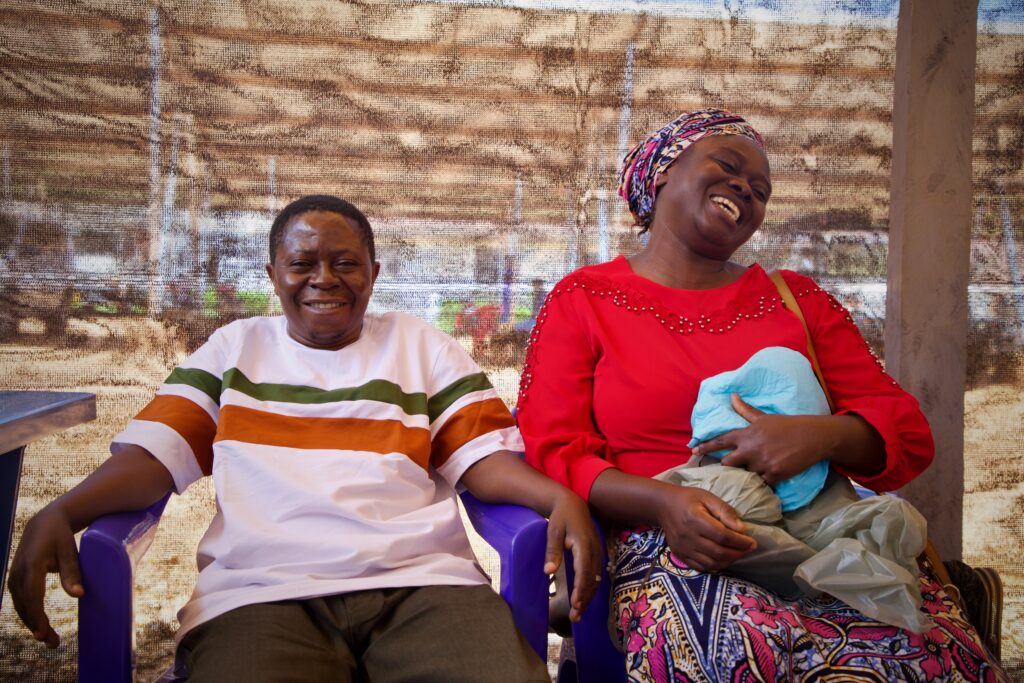
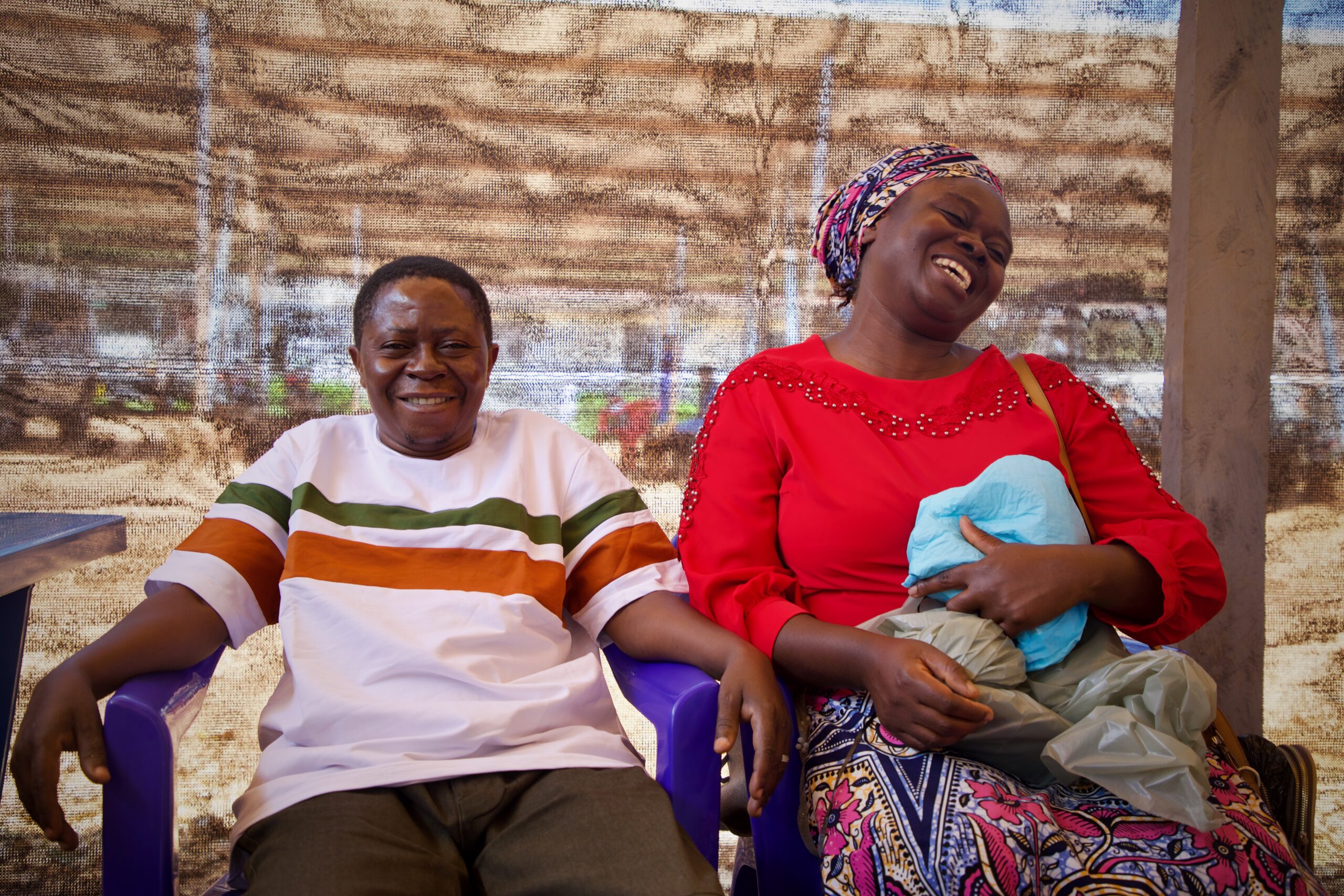
Victoire, ill with the Ebola virus, spending his days in the ETC of Kitatumba, in Butembo, waiting to leave as his health is getting better. He thinks he got ebola while working as a nurse in another hospital, as he took care of a patient who was afterwards declared positive to the Ebola virus. His wife, Kasoki, comes everyday to support and watch him, from 6.30 a.m till 6.30 p.m. ©Elio Parfait/MSF

“We explain what mental health is, what signs to look out for and what those signs can mean, to help them put their distress into words. For some, these concepts were completely new. But many told us they found these sessions comforting.” 

Phoebe acknowledges with regret that mental health issues are still poorly understood and given too little attention, despite their importance. During her assignment in Mongbwalu, this was also the case for the ETC staff themselves, who face the death and suffering caused by the disease every day, both in the centre and in the communities. 

“When I started my assignment, I felt that many people were extremely tired because of the emotional burden they faced every day,” says Zueya Yonkeu. “The same was true of the two mental health workers already there. They had had to announce dozens of deaths and had themselves been exposed to a great deal of psychological distress.” 

Since then, awareness-raising activities have also been set up for medical and non-medical staff at Mongbwalu ETC, alongside group mental health sessions when teams change. 

These initiatives have encouraged staff to turn more readily to the two psychologists dedicated to supporting them whenever they feel the need. 

When asked which particular memory she will take away from her experience, Zueya Yonkeu recalls a happy moment. 

“I remember this little girl,” she says. “When she was admitted and separated from her mother, things were really difficult. Both were in tears. So the mental health team intervened. We asked her what she would need to feel better. She answered immediately: a doll.”

Zueya Yonkeu remembers rushing to the ETC medical manager’s office to tell her that she needed a doll.

Victoire, survivor of the virus Ebola, as he is about to leave Kitatumba's ETC, where he spent 23 days. He thinks he got ebola while working as a nurse in another hospital, as he took care of a patient who was afterwards declared positive to the Ebola virus. His wife, Kasoki, came everyday to support and watch him, from 6.30 a.m till 6.30 p.m. ©Elio Parfait/MSF

“Of course, she looked at me somewhat puzzled… But as soon as I explained what it was about, she approved the order, and someone immediately went to the market in Mongbwalu,” she says. “Less than half an hour later, this little girl had her doll. When I think back to her joy and her smile when we gave it to her, and how the whole team talked about it for days afterwards, I think we probably needed that moment just as much as she did.” 

The current Ebola disease outbreak has affected more than 10,000 people and caused 4,800 deaths in DRC. MSF has 2,900 staff members working tirelessly alongside partners and local health teams to contain the spread of the disease and save lives. The organisation runs eight ETCs and numerous isolation units, where more than 4,159 patients have already been admitted. In parallel, MSF is strengthening epidemiological surveillance and prevention activities by working closely with communities affected by the outbreak.