More than 2,500 refugees fleeing violence in Sudan spent over six months without adequate shelter, latrines, access to safe drinking water or food assistance, while awaiting relocation from Adémour transit site in Sila province, Chad. In response to the needs, and after being alerted by authorities to the deaths of five children under the age of five years, Médecins Sans Frontières/Doctors Without Borders (MSF) launched an emergency response between in May to July 2026.  

Our first assessments of the situation in Adémour confirmed cases of measles and malnutrition, while many people were suffering from diarrhoea, parasitic infections, respiratory illnesses and skin diseases linked to limited access to safe water.

Dr Souley Harouna
MSF Head of Mission in Chad
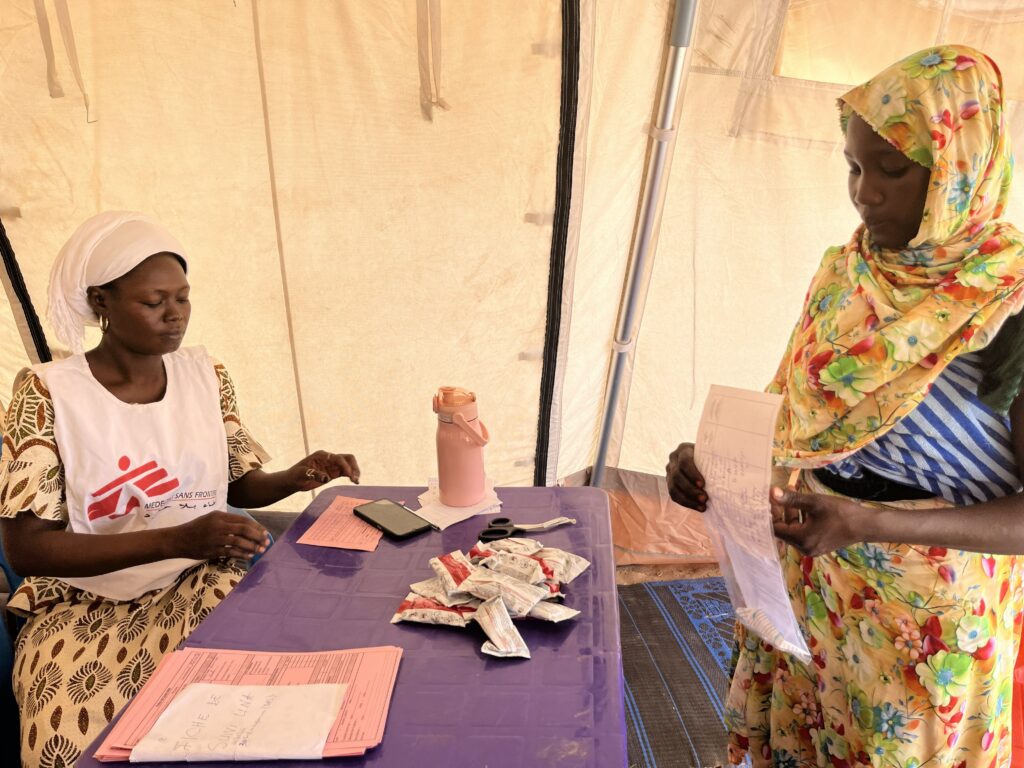
Over the course of two months, MSF teams provided free primary health care, including the prevention and treatment of malaria, sexual and reproductive health care, as well as the screening and treatment of malnutrition. The nutritional situation was alarming with a Global Acute Malnutrition (GAM) rate of over 37% recorded (343 people out of 916 screened) and a Severe Acute Malnutrition (SAM) rate of 8.4% (77 people out of 916 screened). These figures illustrate the severity of the humanitarian situation and the urgent need for nutritional support. 

MSF teams also improved access to safe water for both Sudanese refugees and host communities, thereby reducing the risk of infectious diseases. This included the rehabilitation of four handpumps, installing latrines and handwashing stations, and utilising two water tanks to meet the 15-litre daily standard. Within two months, cases of diarrhoea reduced significantly after safe drinking water was provided and hygiene activities were expanded.  

An MSF community worker distributes Plumpy'Nut, a ready-to-use therapeutic food (RUTF), to a mother at the mobile clinic set up at the Adémour transit site, in Sila province, Chad. This vital distribution helped prevent and treat acute malnutrition among young children affected by the ongoing displacement crisis. ©Tania Elloye/MSF
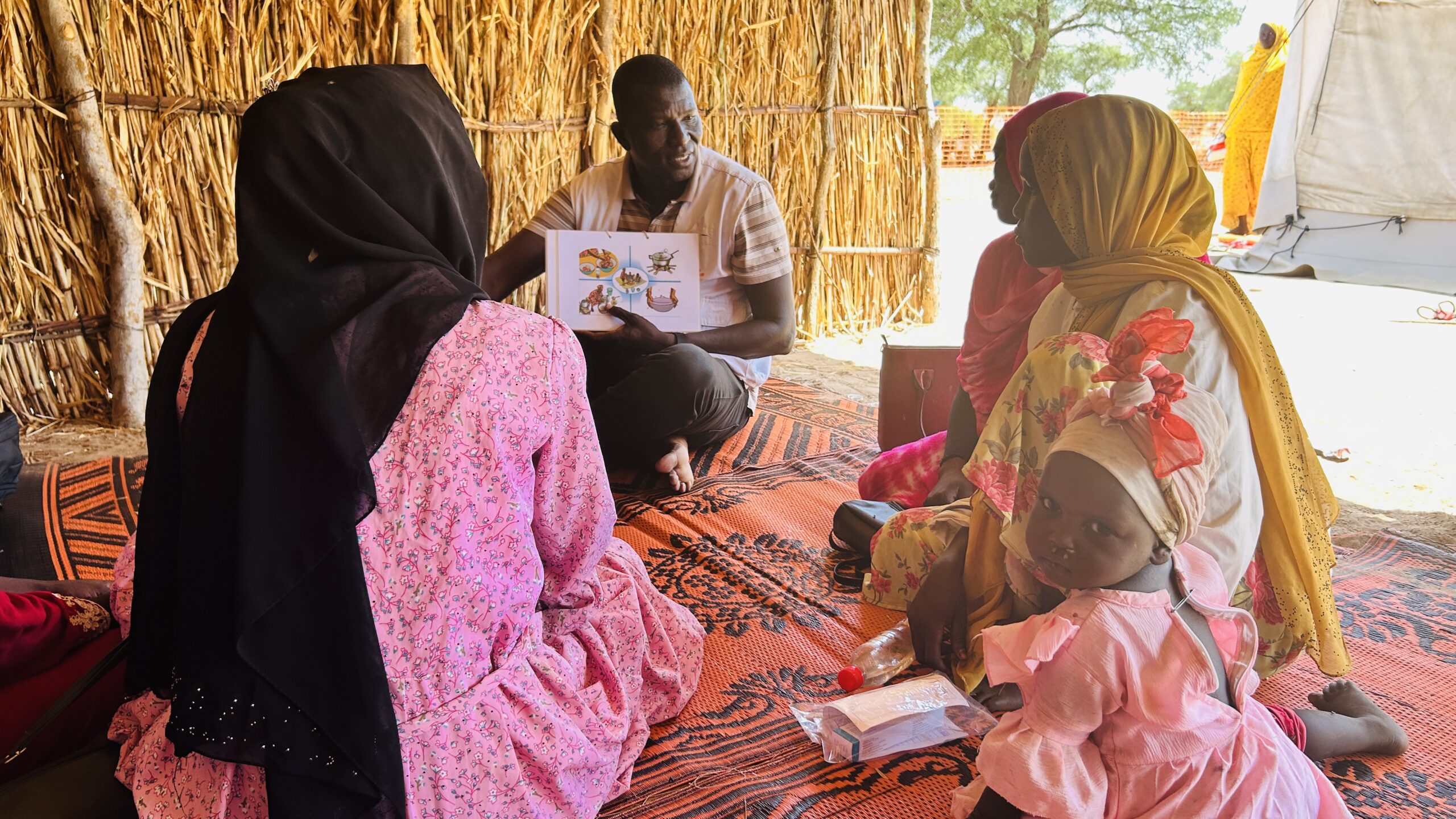
As the refugees pass through Adémour before relocation, we focused on hygiene-related messages. Simple practices such as handwashing and water treatment are essential to help prevent waterborne diseases and protect families and living in such a vulnerable setting.
Bonaventure Djedouboum Tobah
MSF Health Promotion Supervisor

The work relied heavily on community involvement. Most of the community mobilisation agents were refugees themselves, trained and supported by MSF to share health messages, follow up with families, and identify children who need nutritional support. 

Sila is often a less visible part of the Sudanese refugee response in Chad. Unlike Adré or Aboutengué, where there are major border crossings and larger sites, Sila is more dispersed, remote and harder to reach for humanitarian assistance. Choice of settlement locations is also influenced by geographical and sociocultural factors. Many refugees prefer to settle in areas where they have ethnic or cultural ties with the host communities. 

“Families often arrive in smaller groups and end up in spontaneous transit sites such as Adémour, where services are simply non-existent,” says Dr Harouna. 

By early July, nearly all of the refugees in Adémour transit site were relocated to Kerfi refugee settlement. Still, they face no clear guarantees of adequate care, as minimum emergency standards for both refugees and host communities in relocation sites are not being met.