After five years of working alongside communities, local authorities, and health workers, Doctors Without Borders is concluding its dedicated tuberculosis (TB) project in Tondo, Manila. Launched in 2021, the project aimed to strengthen TB detection, treatment, and prevention in one of the Philippines’ most densely populated urban communities while developing a community-based model of care that could be sustained by local partners beyond Doctors Without Borders’ involvement. The project was successfully handed over to local partners in June 2026, with Doctors Without Borders coordinating closely with local health authorities and community-led TB patient support groups to help sustain active case-finding activities and ensure continuity of a locally driven model of care.
Working closely with the Manila Health Department, Doctors Without Borders implemented a comprehensive “Search, Treat, Prevent” approach that brought TB services directly into communities. The TB Project was implemented initially in both Districts 1 and 2, then from the beginning of 2025, moved to cover the six highest-burden health center catchment areas in Tondo District 1. Since 2022, the project has screened more than 51,000 individuals in Tondo, a district where the TB positivity rate remains around 3.9%, which is almost four times higher than the national average, reflecting persistent active transmission in the community.
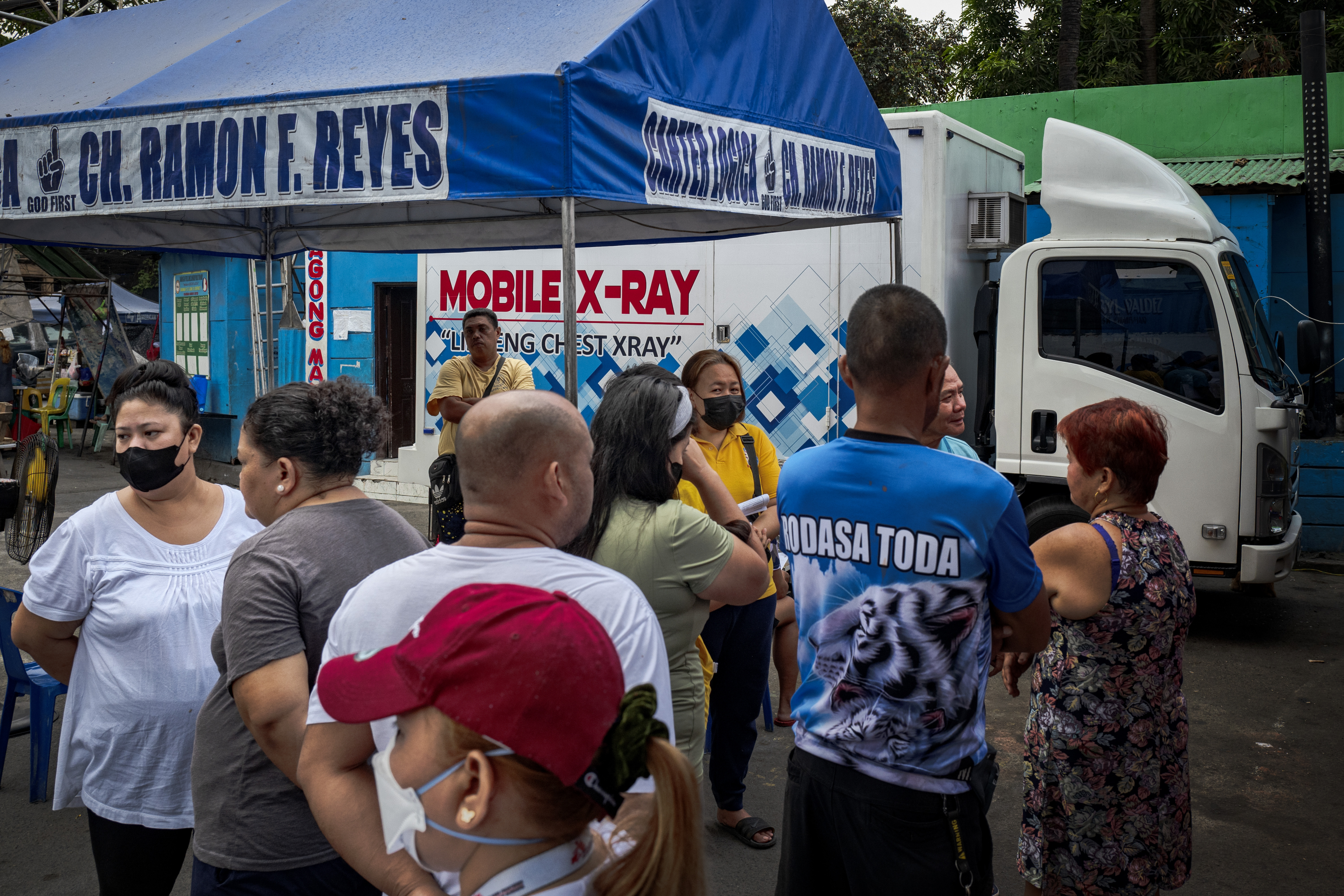
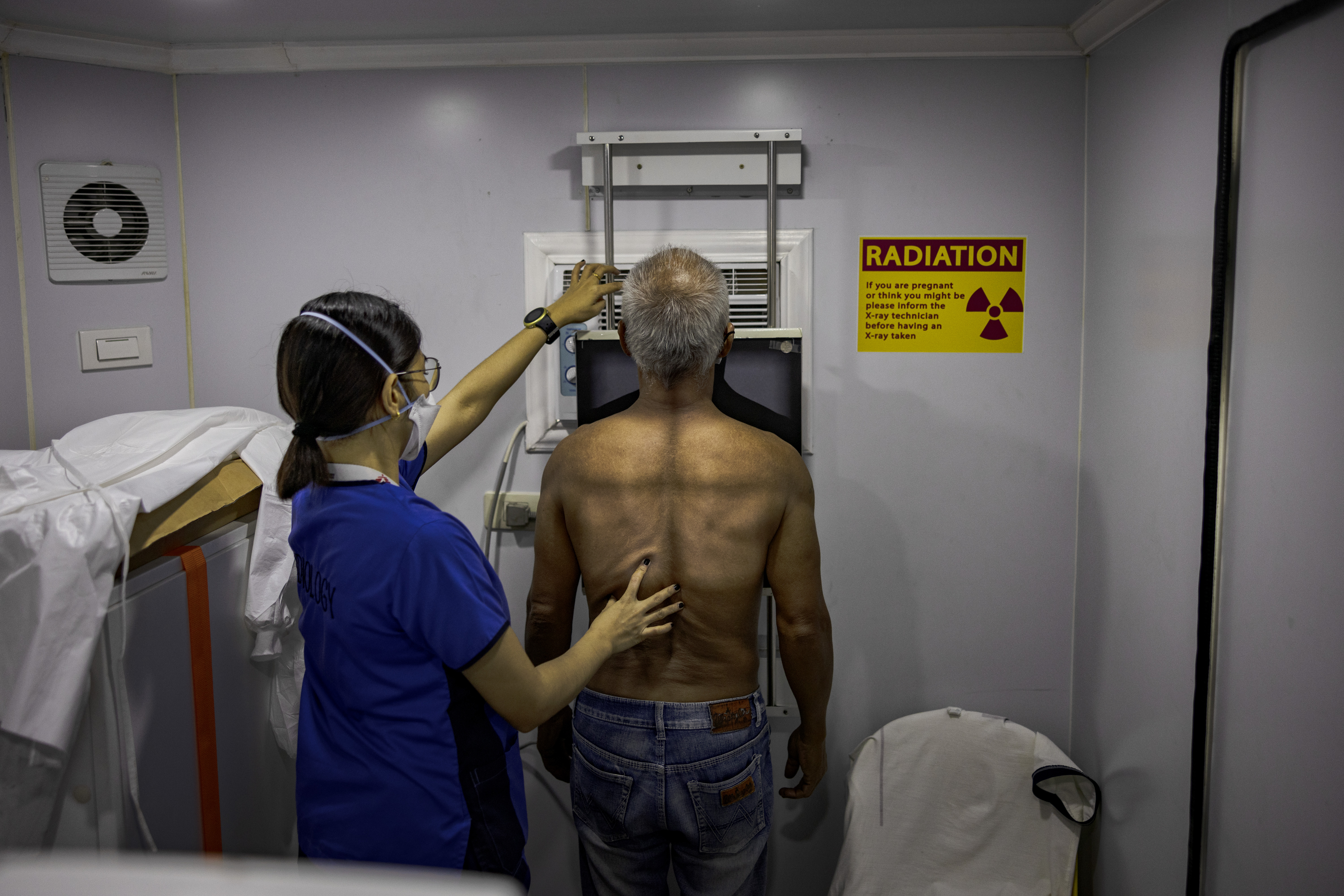
Through mobile X-ray screening, computer-aided detection (CAD) technology, GeneXpert testing, contact investigation, and preventive treatment, Doctors Without Borders contributed to finding hundreds of people affected by TB, and identified 2,493 new TB cases or 21% share of Tondo TB diagnoses, including more than 78 people with drug-resistant tuberculosis (DR-TB) across 43 Barangays (villages). The project initiated treatment for 62% of people diagnosed with TB and started 85% of eligible contacts on TB preventive therapy. Diagnosed TB cases were referred to health centers run by the Manila Health Department for starting the treatment and following up patients.
The project also generated evidence to improve TB care for the TACTiC study which assessed uptake and feasibility of shorter four-month TB treatment regimen for Filipino children. The TACTiC project, or “Test, Avoid, Cure Tuberculosis in Children,” is a global initiative launched by Doctors Without Borders to improve diagnosis and treatment of tuberculosis among children.
TB Committees: A Community-Led TB Model of Care
A lasting legacy of the project is the TB Committee model, a structured community engagement approach established in partnership with local barangays and health centers to strengthen TB prevention, detection, and care in Tondo. Developed under the Health Promotion and Community Engagement (HPCE) component, the committees brought together barangay health workers, health center staff, TB survivors, community leaders, and volunteers to support local health services and address persistent gaps in early case detection, linkage to care, and treatment adherence. Through training on TB fundamentals, logistics, contact investigation, and TB preventive treatment, 171 barangay representatives and 16 health center staff were equipped to take on a more active role in the local TB response across 43 Barangays.
As community ownership grew, the committees led health promotion activities, encouraged residents to participate in screening, supported patient follow-up, and gradually assumed responsibility for community-led active case finding activities. Between November 2025 and May 2026, TB Committee-led initiatives conducted 29 active case finding activities, screening 2,340 people with only minimal support from Doctors Without Borders. Their success demonstrated how community-led approaches can build trust, improve participation in TB services, and help ensure the sustainability of care beyond the project’s transition to local partners.
“The Tondo project has demonstrated that combining community engagement, innovative diagnostics, and strong partnerships can bring life-saving TB services closer to the people who need them most. Sustaining these gains will depend on continued investment in both diagnosis, treatment and prevention,” says Dr. Muhammad Shoaib, Doctors Without Borders Philippine Head of Mission.
The project also highlighted persistent challenges facing TB care in the Philippines. While innovative diagnostic tools such as mobile X-ray screening, CAD technology, and GeneXpert testing helped uncover cases that would otherwise remain undetected, diagnosis alone is not enough.
Recurrent shortages of TB medicines and diagnostic supplies disrupted treatment initiation and threatened community confidence in health services. To help prevent interruptions in care, Doctors Without Borders supplied TB medicines to health centers so that people diagnosed through active case-finding activities could start treatment, particularly during periods when facilities experienced shortages of essential TB drugs. The experience highlighted how expanding access to diagnosis must go hand in hand with ensuring a reliable supply of treatment.
The project also found a high proportion of asymptomatic TB cases, underscoring the importance of proactive community-based screening in high-burden settings like Tondo. Continued investment in diagnostics, treatment availability, and community outreach will be critical to sustaining progress against TB.

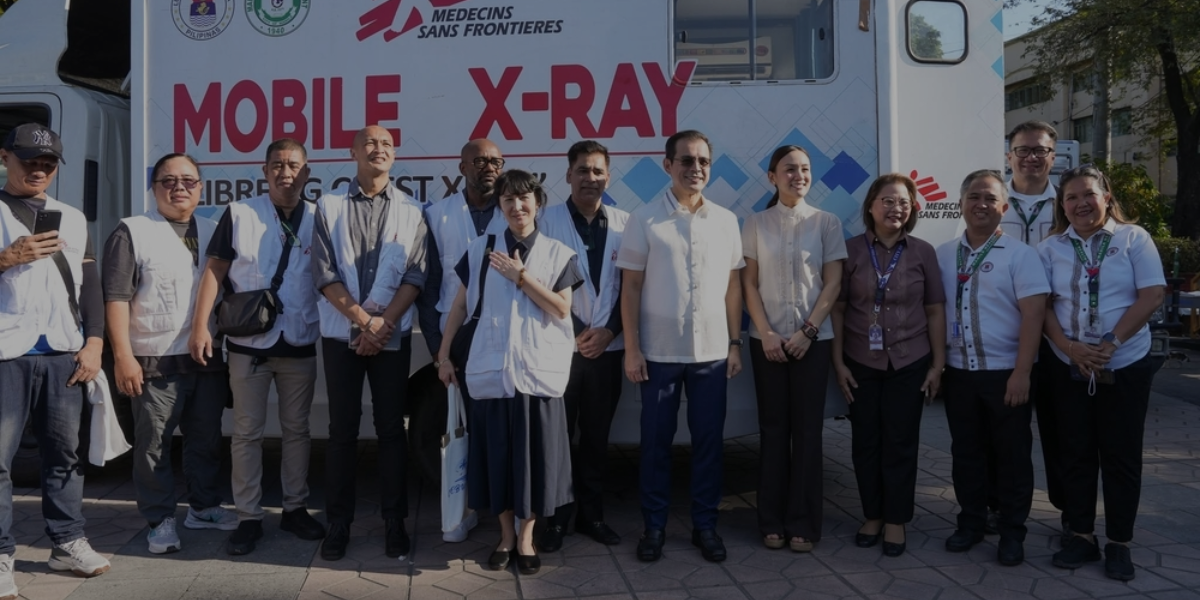
As part of the transition process, Doctors Without Borders donated its mobile X-ray truck to the Manila City Government to help ensure the continuation of community-based TB screening and early detection efforts. Manila Mayor Francisco “Isko” Moreno Domagoso, via a Facebook Post, personally thanked Doctors Without Borders for its invaluable contribution and continued partnership in the city’s fight against tuberculosis.
“[The mobile X-ray van] is a significant addition to our ongoing campaign against tuberculosis in the City of Manila. Through this advanced equipment, we will be able to bring early disease detection and prompt treatment closer to the people, especially to sectors that are most in need of medical services. We sincerely thank Doctors Without Borders for their continued partnership in our mission to ensure that every Manileño has access to quality healthcare services. Mabuhay and thank you for your support!”
Looking ahead, Doctors Without Borders work in Tondo will continue under a new project opening in late 2026 aiming to reduce climate and environmental related health risks. This project will be focusing on case management of respiratory diseases including TB, surveillance of climate sensitive diseases or conditions, and respiratory diseases, support on resilience for extreme weather events especially heat and research on environmental and climate change related issues.
Building on the lessons and partnerships developed over the past five years, the next phase will continue working alongside communities and local authorities to address evolving public health needs while keeping patients at the center of care.
Key figures:
- 51,021 People screened through active-case finding (ACF)
- 2,493 New TB cases diagnosed
- 62% Treatment initiation rate
- 171 barangay representatives and 16 health center staff were equipped to take on a more active role in the local TB response across 43 Barangays.
- 43 Barangays with TB Committees
- 21% Share of all Tondo DSTB cases diagnosed in 2025
- 142 Children enrolled in 4 months regimen study and followed up for six months under TACTiC